
LEED v5: The next chapter of materials management
LEED v5 Materials and Resources credits promote responsible materials use and reuse.
USGBC on October 20, 2025
- Rating System/Standard
- LEED
- LEED v5
The LEED v5 for Building Design and Construction (BD+C) rating system—incorporating BD+C: New Construction, BD+C: Core and Shell, and LEED for Interior Design and Construction (ID+C): Commercial Interiors—is the latest version of the world’s leading green building standard.
It represents an important evolution at a time when industry leadership and accountability are increasingly critical in the global market. LEED v5 introduces and expands strategies throughout the rating system to advance reuse and the management of materials from construction and demolition (C&D) activities.
LEED v5 increases focus on circularity and the zero waste hierarchy by offering more points to the most impactful and effective strategies, like reuse and source separation, while de-emphasizing commingled (mixed) recycling. As such, being successful in LEED v5 BD+C and ID+C will require changing “business as usual” practices into more targeted ones.
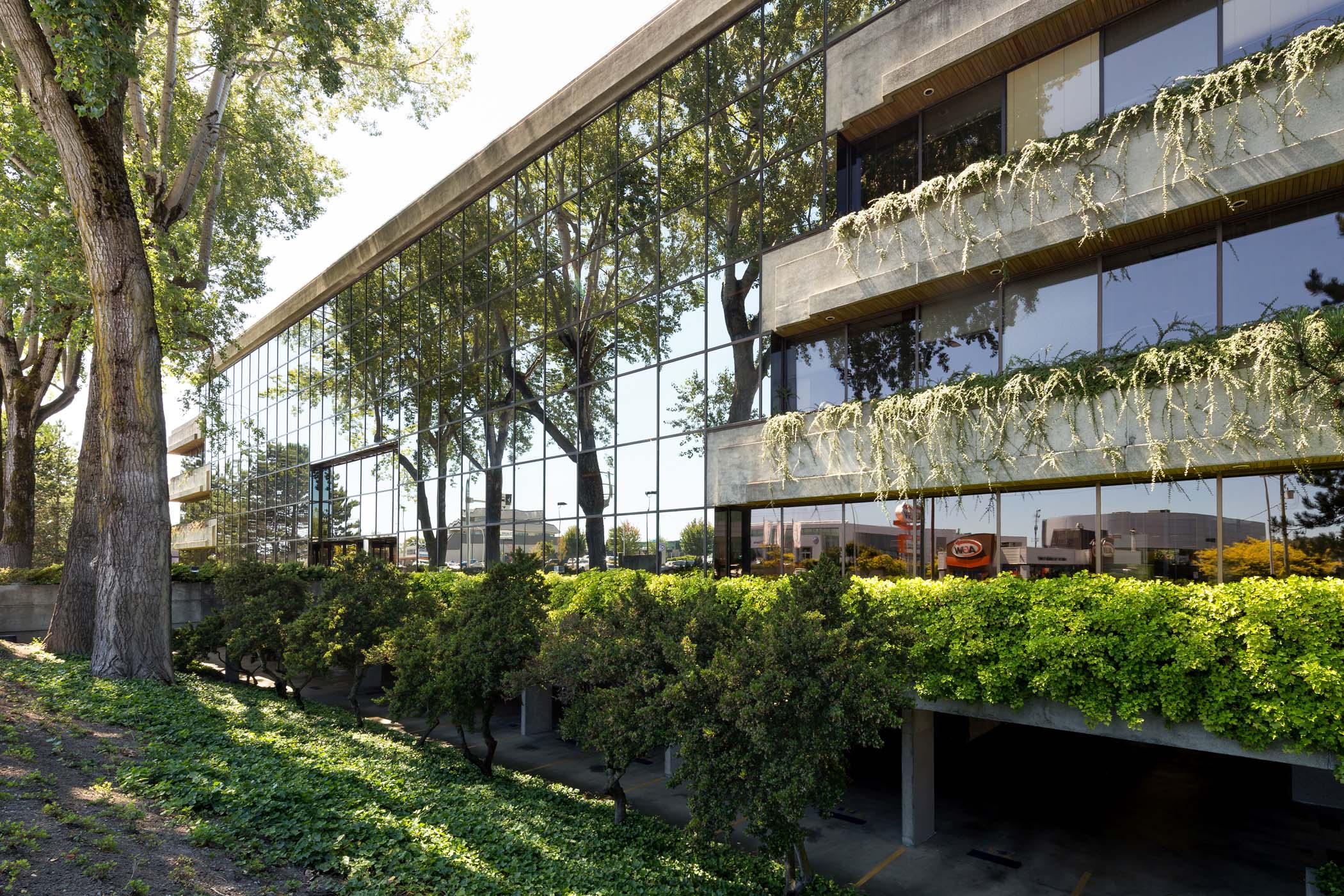
Reuse
To encourage the supply side of the reuse market equation, LEED v5 values diversion of salvaged material to off-site reuse at twice the diversion rate (200%) of other diverted materials in Materials and Resources (MR) credit 5: Construction and Demolition Waste Diversion.
The demand side of reuse is also supported through available points for retaining materials on-site and/or procuring reused materials from off-site markets in MR credit 1: Building and Materials Reuse, as well as through taking credit for embodied carbon savings of reused materials in MR credit 2: Reduce Embodied Carbon. LEED v5 also recognizes that some carbon-intensive and hard-to-recycle materials should be targeted and gives preference to reuse of those materials.
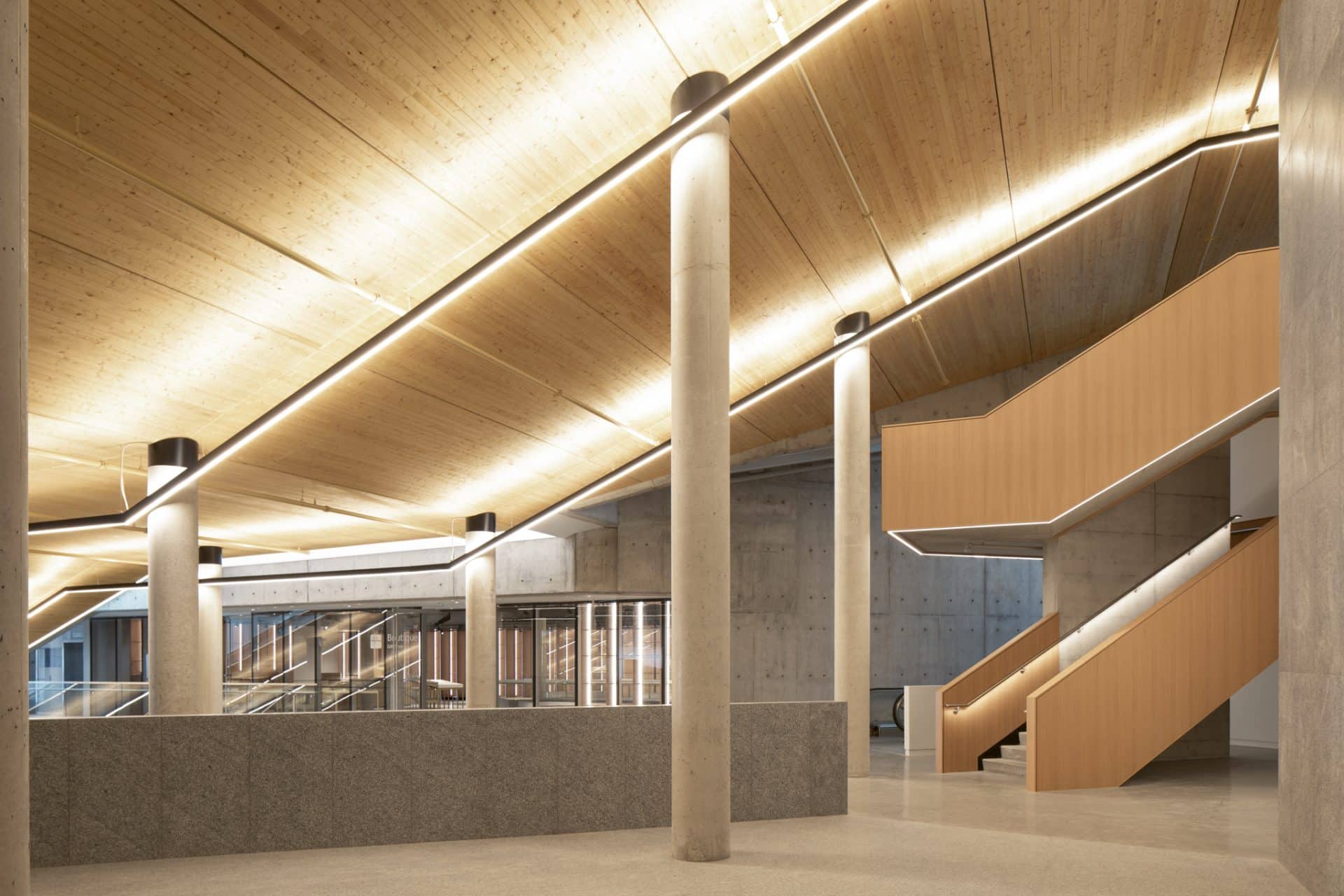
Source separation
Separating recyclables by material type (e.g., steel, wood, drywall) on the jobsite and sending them to single-material recycling facilities counts as 100% diversion in LEED v5 BD+C and ID+C. The high level of material consistency and low levels of contamination associated with source-separated recycling leads to greater potential for meeting circularity goals.
Further, LEED v5 BD+C and ID+C introduces minimum thresholds for source separation as a percentage of total diversion. Projects cannot rely on commingled recycling alone to meet diversion thresholds.
Source-separated recycling, off-site reuse, and/or manufacturer/industry take-back programs can all contribute to meeting minimum source separation percentages and overall diversion of construction waste.
Commingled recycling
Responding to industry concerns about the accuracy of recovery rates for commingled recycling, LEED v5 Design and Construction rating systems now cap commingled C&D recycling rates at 35%. If a project team wants to claim higher than 35%, this now requires third-party verification of diversion rates.
LEED v5 has raised the bar in sensible yet meaningful ways that reflect industry-leading best practices. With the launch of LEED v5 BD+C and ID+C, we enter a new era of sustainable building backed by data and collaboration. The time is right to reach higher. Join us!